

Ladino Day 2025 | Sephardic Homelands: Spanish and Portuguese Citizenship and the Question of Belonging Today
Sunday, November 16, 2025, 10:00 am PST - 11:00 am PST
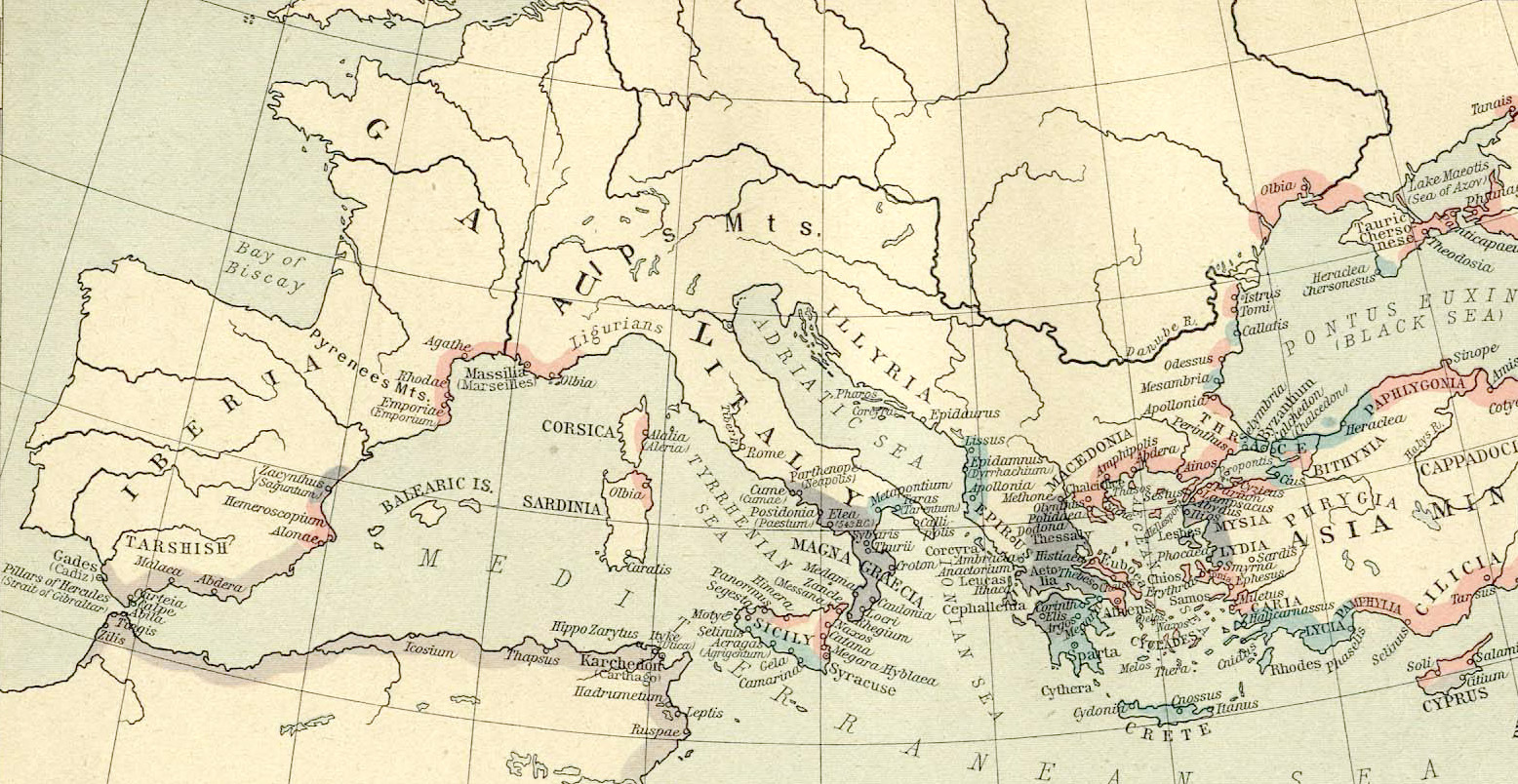
This year’s Ladino Day program, “Sephardic Homelands: Spanish and Portuguese Citizenship and the Question of Belonging Today,” critically examines the significance of the decision exactly ten years ago, in 2015, of the Spanish and Portuguese governments to offer citizenship to descendants of Sephardic Jews expelled five centuries ago.
The discussion will situate Spain and Portugal’s offers within broader debates about the homelands that Sephardic Jews have claimed as their own over the generations, while also recognizing that millions of people in the world remain stateless today.
A kosher reception will follow the program.
About the program
Isaac Alhadeff Professor in Sephardic Studies and program Chair, Devin E. Naar, will host Professor Emerita Rina Benmayor, California State University Monterey Bay, and Professor Dalia Kandiyoti, City University of New York (CUNY), College of Staten Island, in a conversation to discuss their research on this topic as featured in their edited volume, “Reparative Citizenship for Sephardi Descendants,” appearing in paperback this autumn.
The event will also feature readings by Los Muestros Ladineros, Seattle’s Ladino-language group, of Ladino poems about the multiple “patrias” claimed by Sephardic Jews.
View the program livestream
* This event will be livestreamed! *
Starting at 10am Pacific Standard Time on Sunday, November 16, we invite you to view the livestream below on this page, or on our YouTube channel.
About the speakers
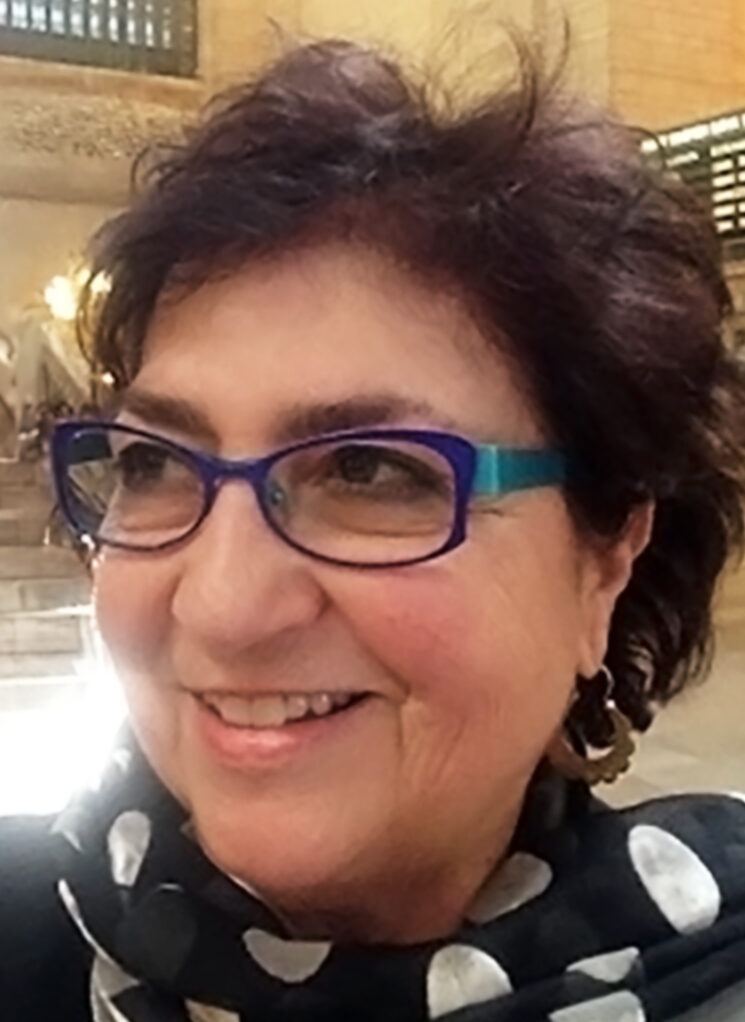 Rina Benmayor is Professor Emerita in the School of Humanities and Communication at California State University Monterey Bay, where she taught oral history, literature, digital storytelling, and Latinx studies. She has authored books and articles on these subjects as well as on Sephardic folklore, identity and migration, cultural citizenship, testimonial writing and storytelling. She authored “Romances judeo-españoles de Oriente” (1979), an original field collection and study of Sephardic romansas collected in Los Angeles and Seattle (1972-73). The recordings are archived at the University of Washington Sephardic Studies Digital Collection. In 2017, she conducted with Dalia Kandiyoti an extensive oral history project on the Spanish and Portuguese citizenship laws for Sephardi descendants, and coedited “Reparative Citizenship for Sephardi Descendants: Returning to the Jewish Past in Spain and Portugal” (Berghahn Books 2023). The interviews gathered for this study are being archived at the University of Washington as well. She is currently coediting, with Rachel Amado Bortnick and Liliana Benveniste, a Ladino translation of “Las Romansas de la Ratona Savia,” a collection of Spanish ballads for children written by Paloma Díaz Mas. She has also been writing a family memoir about her Greek Sephardic family.
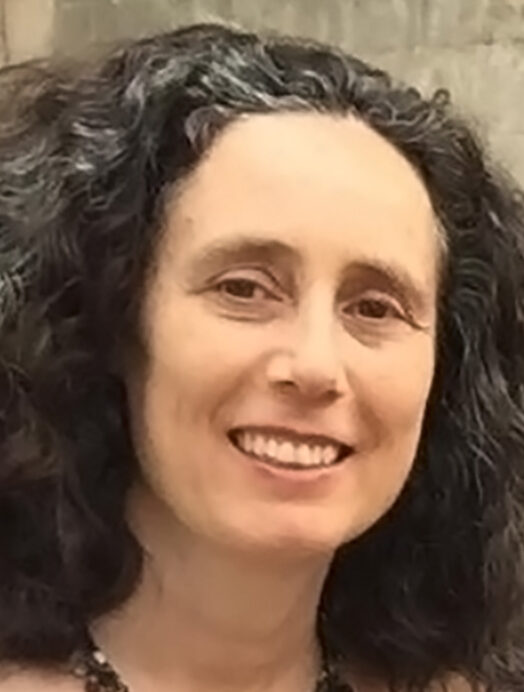 Dalia Kandiyoti is Professor of English at the City University of New York (CUNY), College of Staten Island. Her Ph.D. is in Comparative Literature from New York University. She is the author of “The Converso’s Return: Conversion and Sephardi History in Contemporary Literature and Culture” (Stanford UP, 2020) and “Migrant Sites: America, Place, and Diaspora Literatures” (Dartmouth College/UP of New England, 2009), and of peer-reviewed articles on migration in contemporary literature and on Sephardic and Latin American diasporas and experiences. She has also co-edited, with Rina Benmayor, “Reparative Citizenship for Sephardi Descendants: Returning to the Jewish Past in Spain and Portugal” (Berghahn, 2023). Her contribution to this volume received support from the National Endowment for the Humanities. With Rina Benmayor, she has conducted extensive oral histories with Sephardic applicants for Spanish or Portuguese nationality. These oral histories are being archived at the University of Washington.
Ladino Day 2025 is generously supported by the Lucie Benveniste Kavesh Endowed Fund for Sephardic Studies and The Sephardic Foundation on Aging.
The event is cosponsored by the Departments of Middle Eastern Languages & Cultures and Spanish & Portuguese Studies at the University of Washington, as well as by the Sephardic Brotherhood of America.