
Spanish and Portuguese Citizenship for Sephardi Jewish Descendants is an oral history collection that brings together some 60 interviews with people of Sephardi descent who have applied for or received Spanish or Portuguese citizenship under those countries’ 2015 special nationality laws. Below are excerpts from the project; to access the full collection, please visit the Sephardic Studies Digital Collection page here. Please scroll down to the Spanish and Portuguese Citizenship section for the link to browse the complete interview files. Or you can access them directly here.
About the 2015 Spanish and Portuguese citizenship laws
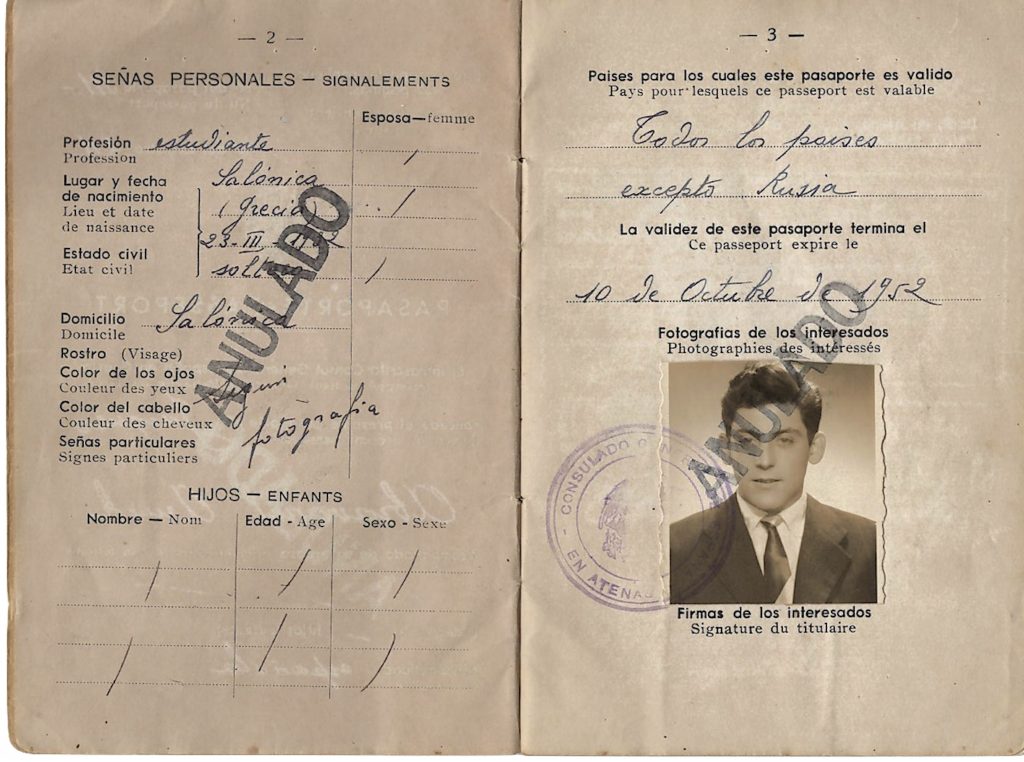
Interior of Jack Abravanel’s Spanish passport. Jack was born in Salonica; his father had already secured Spanish nationality based on the family’s Sephardic lineage before Jack was born, and his birth certificate was also issued by the Spanish Consulate in Salonica. Jack used this passport to immigrate to the United States in the early 1950s. Image courtesy of his granddaughter, Makena Mezistrano.
In 2015, both Portugal and Spain passed laws enabling descendants of Sephardi Jews to obtain full Spanish or Portuguese nationality. While the opportunity in Spain came with an expiration date (2019), and Portugal has imposed a greater burden of proof along the way, the laws have been hailed as historic and unique in offering reconciliation and symbolic reparation through citizenship for persecutions committed more than half a millennium ago.
While Spain has had special legal dispensations for Sephardi Jews for over a century, its 2015 law offered equal and non-residential dual citizenship for the first time. For Portugal, the law was novel, though it was preceded by other official acts of apology and recognition of Jewish history. To date, more than 300,000 people have applied from all over the world. The full impact of the nationality opportunities on Spain, Portugal, and Sephardi Jewish communities and descendants remains to be seen. However, many lives are already being fully or partially shaped by the prospect of (and, sometimes, exclusion from) these new citizenships. The narrators in this oral history collection illuminate many of the motivations and consequences of their citizenship applications as they share their ideas, experiences, and feelings about them.
About the oral history collection
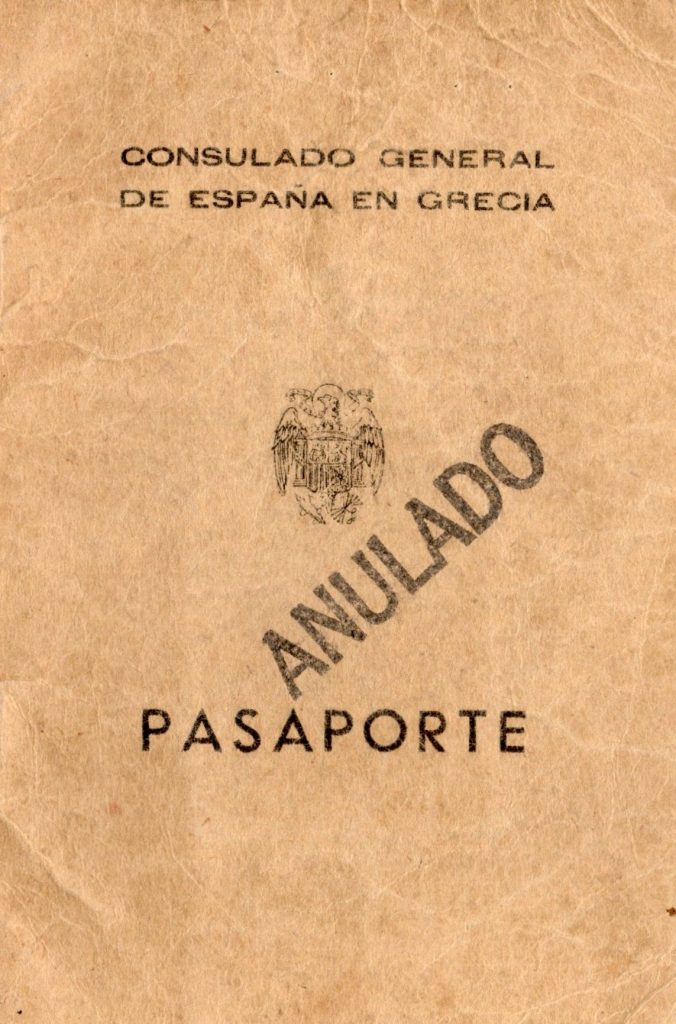
Cover of Jack Abravanel’s Spanish passport. Image courtesy of Makena Mezistrano.
Conceived by Drs. Rina Benmayor and Dalia Kandiyoti, the collection consists of conversational interviews conducted and recorded remotely with applicants from fourteen countries, spread over four continents. Narrators range in age from their 20s to their 80s and include “normative” Sephardi Jews, descendants of conversos and dönmes (Sabbateans), and those whose families lost connections to Judaism or their Sephardi heritage over time. A few who were eligible for citizenship, but ultimately chose not to apply, are also included in the project.
The interviews are approximately one hour in length and cover topics such as family background and Sephardi ancestry; the significance of cultural belonging; reasons for applying and interviewees’ experience with the process; their thoughts and feelings about the new citizenship opportunities and rights; and more. The majority of interviews are in English, but there are also several in Turkish, Spanish, or Portuguese (with translations provided). Some narrators have chosen pseudonyms for reasons of privacy or safety with regard to their current or potential citizenships.
About the showcase
We invite you to listen to and read samples from our collection by clicking on the excerpts below. This collection showcase presents highlights from six narrators of different generations, from various parts of the world, and with diverse ancestral histories. Their anecdotes and reflections provide a snapshot of the varied family backgrounds, motivations, and experiences of those seeking these ancestral citizenships. Accompanying the audio are transcriptions of the selections, and in two cases, English translations. Links to the complete sound files and transcriptions are also provided for those who wish to listen/read further.
1. Anna Ruth Henriques ~ Jamaica and Portugal
Showcase transcript: Anna Ruth Henriques >
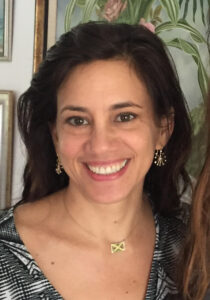 Anna Ruth Henriques lived her recent move to Portugal as a homecoming, although it was only her second time in the country. A welcoming place, it holds similarities to her native Caribbean, she says, in terms of mixtures of people. Anna grew up in Jamaica in a mixed family of her own with a Portuguese Sephardi father who was the Jewish community leader and a mother who was of Chinese, African, and European descent. An author, artist, and jewelry maker, Anna went to a Jewish and Catholic schools in Jamaica and received most of her higher education in the U.S. She lived for many years in New York and traveled widely, creating art and jewelry. The Book of Mechtilde, whose story and illuminations she created in honor of her mother, is inspired by Biblical narratives and medieval illustrations. Her wide-ranging other works also draw from diverse religious, cultural, and artistic traditions. Portugal is both an old and new place for Anna, who currently runs an eco-retreat in the Algarve region. We recorded her remotely on June 28, 2020, as she spoke to us from the grounds of her farm.
Full audio and transcript: Anna Ruth Henriques >
2. Colette Capriles ~ Caracas, Venezuela
Showcase transcript: Colette Capriles >
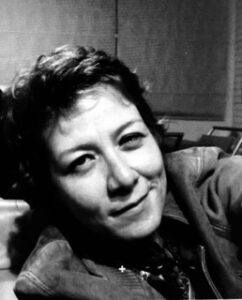 Colette Capriles’s narrative, recorded on January 26, 2020, takes us from Spain, Venice, and Amsterdam to Curaçao and Venezuela and from the early modern era to the contemporary period. A professor of political philosophy and social sciences at Simón Bolivar University in Caracas and an opinion journalist and political consultant, Colette shares the story of her paternal Sephardi family’s peregrinations in post-expulsion Europe and their subsequent migrations to the Caribbean and Venezuela. In their new country after a long and prominent establishment in the Sephardi community of Curaçao, the Capriles family mixed with Venezuelan Catholics, largely abandoning religious observance but not the awareness of their Jewish roots. In this clip, she describes how pride in their Sephardi past was transmitted down through the generations within an arch-Catholic family. For Colette, Spanish citizenship is “Sephardi citizenship,” signaling that Spanish identity itself is varied and open to interpretation.
Full audio and transcript: Colette Capriles >
3. Dafne Beri ~ Turkey
Showcase transcript: Dafne Beri >
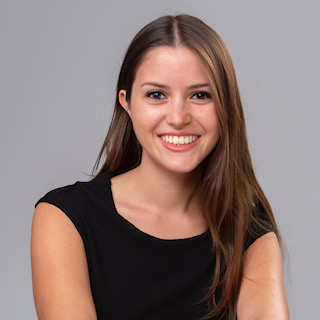 At the time of our interview, Dafne Beri was writing her M.A. thesis on Turkish politics at the London School of Economics while living in Israel, where she had moved just recently. A great-grandchild of a former Sephardic chief rabbi of Adana and granddaughter of a Polish Jewish refugee in Turkey who made hats for Atatürk (the founder of the Turkish Republic), Dafne was born and raised in Istanbul, where she was a member of Estreyikas d’Estambol, a children’s chorus known for its mostly Ladino repertoire and appealing performances. She completed her undergraduate degree at McGill University in Montreal. Strongly identified as Turkish, Dafne speaks many languages, including contemporary Spanish, which has replaced her Ladino acquired in childhood. Like many young people of her generation, Dafne sees a European Union passport as a way to travel more freely and expand her opportunities. The interview, recorded in two parts, took place on July 31, 2018.
Full audio and transcript: Dafne Beri >
4. Doreen Alhadeff ~ Seattle, Washington
Showcase transcript: Doreen Alhadeff >
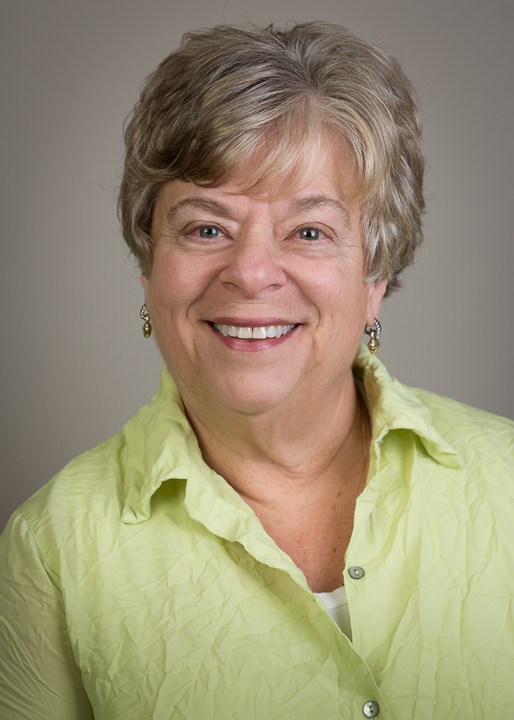 Doreen Alhadeff, (née Cohen), was born and raised in Seattle, Washington, the granddaughter of Ladino-speaking immigrants from the island of Rhodes and Istanbul. She is a founder and President of the Seattle Sephardic Network, belongs to Congregation Ezra Bessaroth, and is a member of Erensya, an organization of Sephardic community leaders from around the world. In 2022, she was knighted by the Spanish king into the order of Isabel la Católica for helping Sephardi Jews obtain Spanish citizenship. Doreen has had a longstanding relationship with Spain, beginning in her college days, when she spent several semesters in Madrid in study abroad programs. She has returned many times and is fluent in the language. Responding to someone who asked her why she would want Spanish citizenship, she exclaims “Why wouldn’t I!” For her, it is a symbolic reclamation of heritage and a right to “return,” as well as an affirmation of the value of dual citizenship in promoting greater global understanding. The story she shares about the renaming of the town Matajudíos (“Killer of Jews”) to Motojudíos (“Hill of Jews”), illustrates what Doreen sees as the dramatic change in awareness regarding Jews and Sephardic Jewish heritage taking place in Spain, stimulated in part by the 2015 law. Her interview was recorded on March 27, 2017.
Full audio and transcript: Doreen Alhadeff >
5. Eduardo Avila ~ Porto Alegre, Brazil
Showcase transcript: Eduardo Avila >
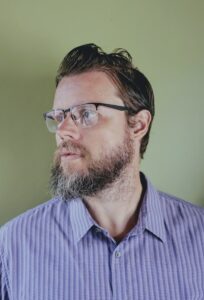 Eduardo Avila, a native of Porto Alegre, in the Brazilian state of Rio Grande do Sul, has Bachelor’s degrees in pharmacy, statistics, and a Ph.D. in genetics and molecular biology. Previously, he worked as a forensic expert for the Brazilian federal police, until injuries led him to explore foreign citizenship possibilities. Upon learning of the new Spanish and Portuguese law, he set out to investigate his family line. Here he comments on his extensive genealogical tracing, which uncovered New Christian ancestors going back to his fourteenth great-grandfather, a converso from a border region between Spain and Portugal. Eduardo is one of a handful of individuals we interviewed who applied for both Spanish and Portuguese citizenship. His narrative, recorded on January 10, 2019, comments on his experiences with the application process in both countries and about the support he received from online networks of Brazilians seeking citizenship based on converso ancestry.
Full audio and transcript: Eduardo Avila >
6. Raşel Meseri ~ Izmir, Turkey
Showcase transcript: Raşel Meseri >
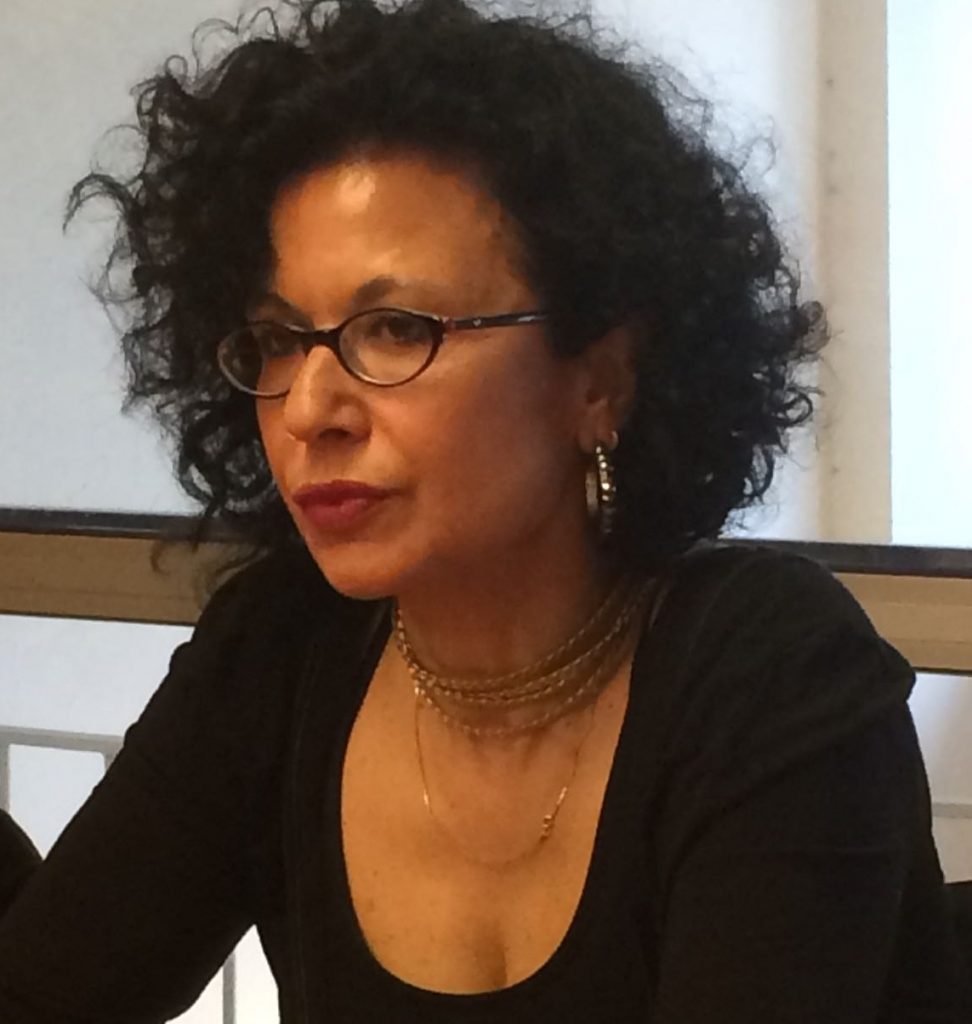 Born and raised in Izmir in a Ladino- and Turkish-speaking family, Raşel Meseri is an author of children’s and adult fiction. She received a degree in Radio and Television studies and spent some years working in advertising. She has also made documentary films, including one about the kortejos (Jewish family homes around courtyards). Although part of her family migrated to Israel, and she herself spent a part of her early years there, she has been rooted in her native city, where her origins lie as far back as the family histories can go. Raşel applied for Spanish citizenship along with her daughter under provisions that existed prior to the 2015 law. Having received her citizenship after many years of waiting, she has no current no plans to live in Spain, but she spoke with us about her intention to closely follow developments there and about her trans-national outlook on Sephardic communities, identity, and citizenship. In late 2022, she published a novel titled Meskûn Zaman, which takes place in Karataş, Izmir’s Jewish neighborhood. Her interview was recorded on January 15, 2018.
Full audio and transcript: Raşel Meseri >
About the project creators
Rina Benmayor and Dalia Kandiyoti‘s personal and scholarly backgrounds overlap in many ways. They share a love of their familial Ladino (Judeo-Spanish) and other languages, as well as scholarly interests in Sephardi and Latina/o/x studies, and have collaborated on several large projects together. Their scholarly partnership began in 2017 with this oral history collection and more recently with a co-edited volume titled “Reparative Citizenship for Sephardi Descendants: Returning to the Jewish Past in Spain and Portugal” (Berghahn Books, 2023). Each received support from the National Endowment for the Humanities to write an article for this volume based on their oral history collection – Benmayor on affective citizenship and Kandiyoti on Sepharadi identity and citizenship among converso descendants. They also collaborate in the leadership of Genealogies of Sepharad, a research group that studies and hosts seminars on Jews in modern Spain.
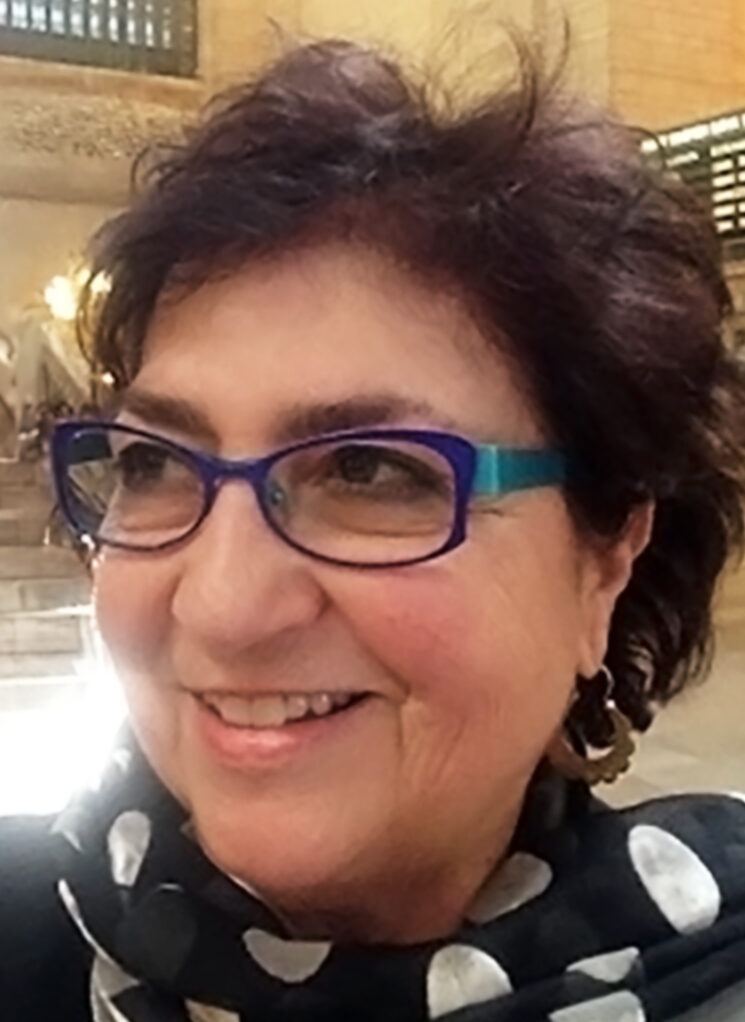 Rina Benmayor is Professor Emerita at California State University Monterey Bay and has served as president of both the Oral History and the International Oral History Associations. She is the author of Romances Judeo-Españoles de Oriente (Gredos 1979), an original collection and study of Sephardic ballads from Los Angeles and Seattle also available online via the Sephardic Studies Digital Collection. She has co-edited books and written many articles on Latino cultural citizenship, migration and identity, Latinas and testimony, oral history and memory, and digital storytelling pedagogy. Benmayor is currently writing a memoir about her Greek Sephardi families.
 Dalia Kandiyoti is Professor of English at the City University of New York, College of Staten Island. She also co-teaches a course annually at the University of Granada, in which she focuses on Sephardi culture in Europe. She is the author of “The Converso’s Return: Conversion and Sephardi History in Contemporary Literature and Culture“ (Stanford University Press, 2020), and “Migrant Sites: America, Place, and Diaspora Literatures“ (Dartmouth College/University Press of New England, 2009). Kandiyoti has also written numerous articles on contemporary Sephardi, Latina/o/x, and migration and diaspora literatures.
Acknowledgements
We would like to express our gratitude to all the participants and contributors to this project — first and foremost to our narrators and to those who helped locate them; to Devin Naar and the UW Sephardic Studies Program for supporting the collection; to Makena Mesistrano, former Assistant Director, and Kara Schoonmaker, former Web & Digital Projects Manager, for their skilled guidance and supervision that made this virtual showcase and the preservation of the project possible; to Ann Lally and Anne Graham of the University of Washington Libraries Special Collections, for assisting us in archiving the collection; to Spencer Naar, MLIS, and Toni Heilman for creating the metadata for the collection; to Cecilia Beltrán Rodríguez for her painstaking work editing and translating interview transcripts; and to Toni Heilman and all the students who contributed to the transcription process.
-Rina Benmayor and Dalia Kandiyoti