
 Sephardic Studies
Research, Teaching & Community
The Sephardic Studies Program of the Stroum Center for Jewish Studies at the University of Washington is a world-renowned program for the research, teaching, and recuperation of the histories, cultures, and language of Ladino-speaking Sephardic Jews.
The program engages undergraduate and graduate students, scholars, and diverse publics locally, nationally, and internationally through public events like Ladino Day; digital projects and online exhibitions; innovative courses; a robust social media presence; and the Sephardic Studies Digital Collection – one of the largest online open-access repositories of Ladino books and Sephardic artifacts in the world.
Connect with Us :
Learn more about the Sephardic Studies Program
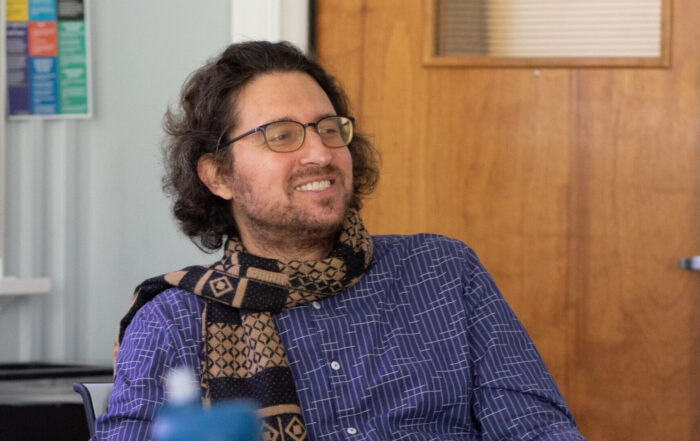
Fall Letter from Director Devin Naar
Professor Devin Naar, Director of UW's Sephardic Studies Program, writes about recent and upcoming public programs, digital and library projects, teaching, and graduate student research.
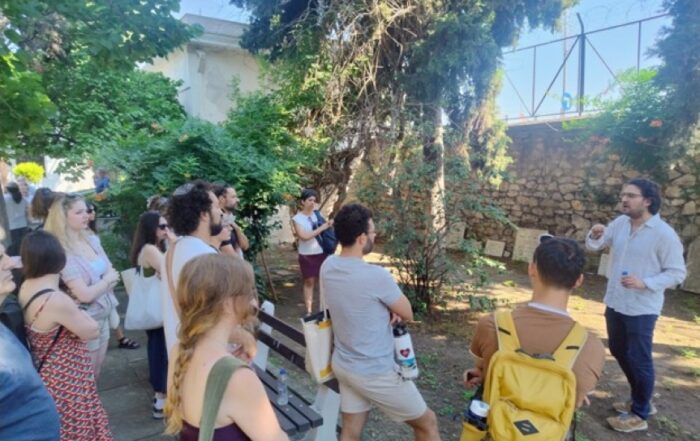
Reflections on the 2026 International Summer Institute on Modern Balkan and Eastern Mediterranean Jewries
In June 2026, Professor Devin Naar led the first-ever International Summer Institute on Modern Balkan and Eastern Mediterranean Jewries in Thessaloniki, Greece.
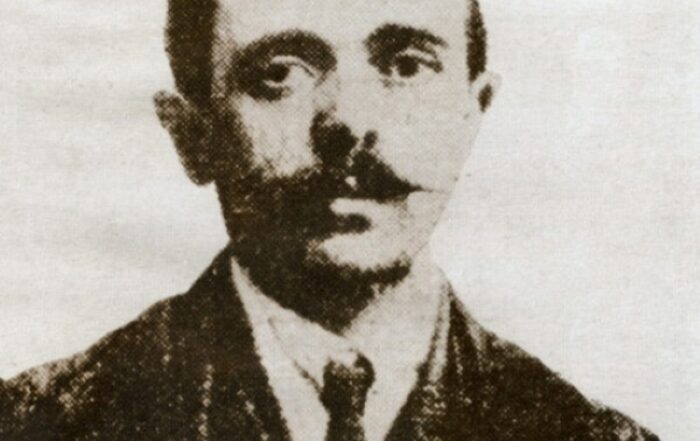
The Memories of Greek Jewish Left-Wing Activism from Avraam Benaroya to Michael Moissis Bourlas
This article by Graduate Fellow Alexandra Ritsatos examines how Greek Jewish left-wing activists remembered political struggle, resistance, and identity across the twentieth century.
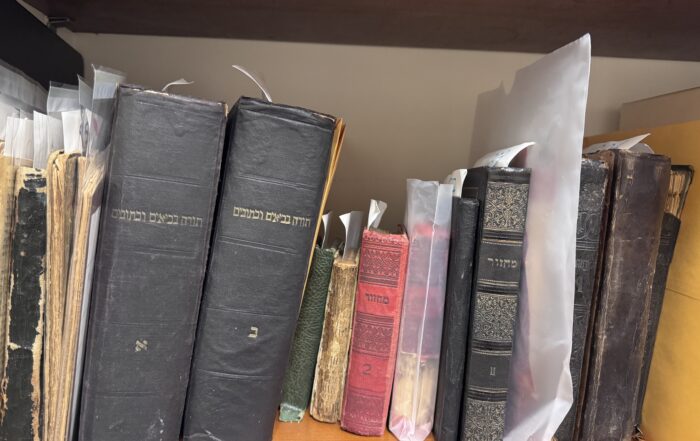
Finding “Sephardic Treasures”…and Finding Myself with Jewish Studies
Grad student Toni Heilman writes about her powerful experience working with the Sephardic Studies Collection, which helped her discover and reclaim parts of her own Jewish identity.
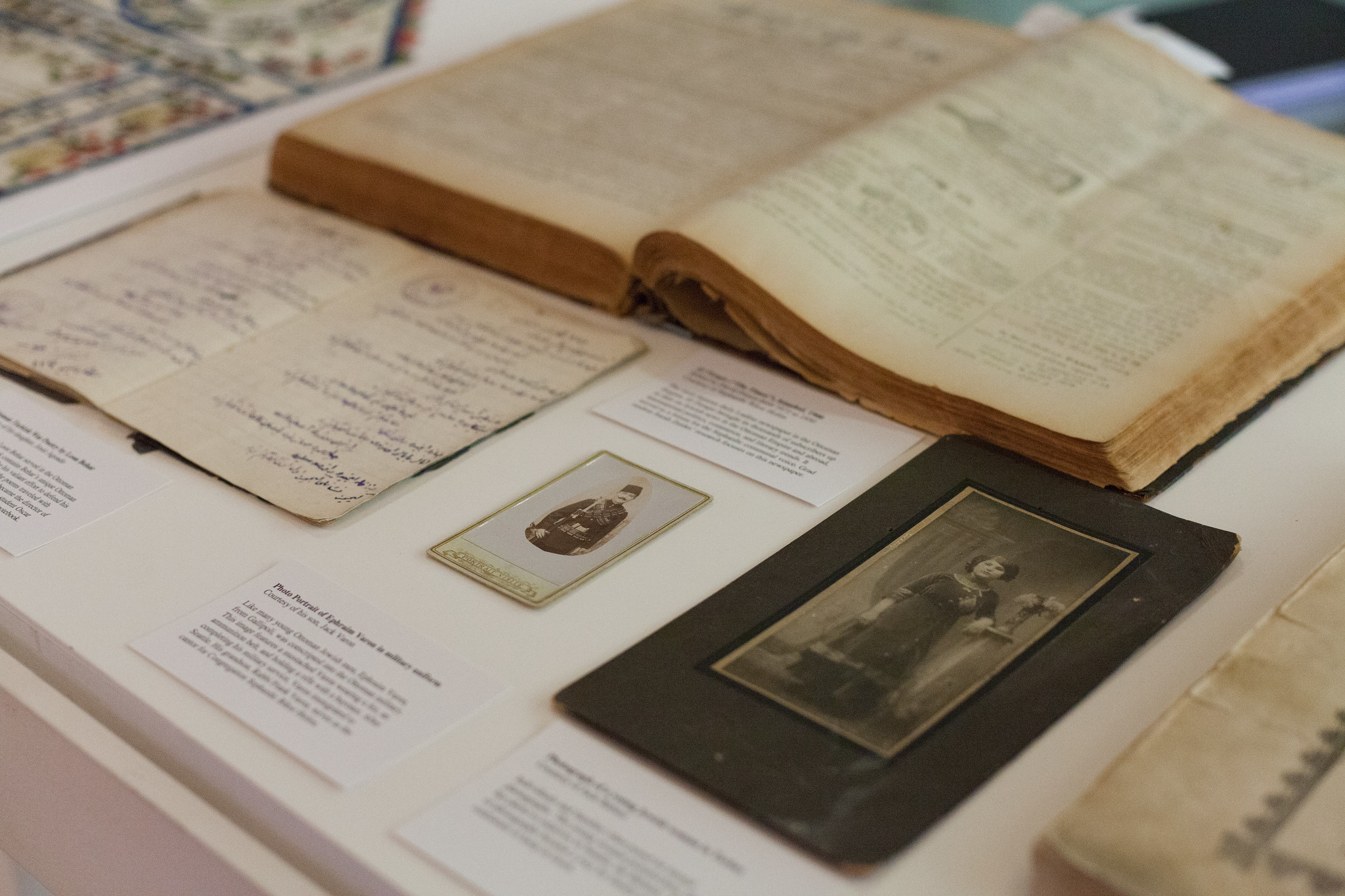
The Sephardic Studies Digital Collection
Explore the collection
Read in-depth essays about artifacts
About the collection
The world's largest online collection of Ladino books and Sephardic artifacts
 Learning Ladino
Explore digital resources to begin your Ladino language journey, and read reflections from students and faculty who have studied the language at the University of Washington and beyond. Learn Ladino >

Ladino Day at the University of Washington
Ladino Day is an annual educational and celebratory program centering the Ladino (Judeo-Spanish) language through the performance of stories and songs, and through lectures by scholars, activists, students, and community members. Learn more about Ladino Day >
Subscribe to our newsletter
Sign up to receive quarterly updates from the Sephardic Studies Program: event info, articles, videos, and more!

“Muestras Konsejas” Essay Competition
Presented with the Sephardic Brotherhood of America, this writing contest opened a new space for Sephardic stories.

Seattle Sephardic Legacies
Trace the journeys of eleven Sephardic families with roots in the Ottoman Empire who came to Seattle in the early twentieth century.

Bailar a la Turka: 78 rpm Records in Seattle Sepharadi Households
Maureen Jackson investigates Turkish music in Sephardic Seattle with artifacts, audio, and more.

Sephardic Life Cycle Customs
Explore the diverse origins of Sephardic life cycle customs and trace their dynamic evolutions from the Ottoman Empire to the United States.


 Contribute Artifacts
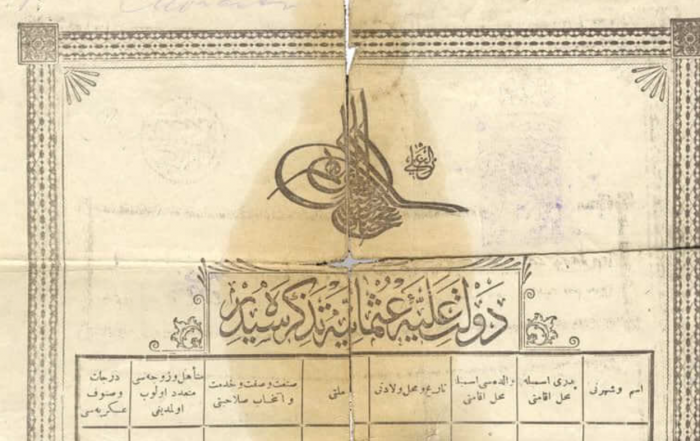
Do you have an old wedding photo from Izmir, immigration documents from Istanbul, or a Ladino book from Salonica? Consider preserving and sharing your artifact with the Sephardic Studies Digital Collection. Learn more >

Request a Translation
Get connected with qualified translators for documents in Ladino (including those written in soletreo), Greek, Ottoman Turkish, French, and more. Email sephstud@uw.edu to learn more.

Support Sephardic Studies
Make a gift to support the Sephardic Studies Program at the University of Washington and its wide range of projects and programming. Make a gift >
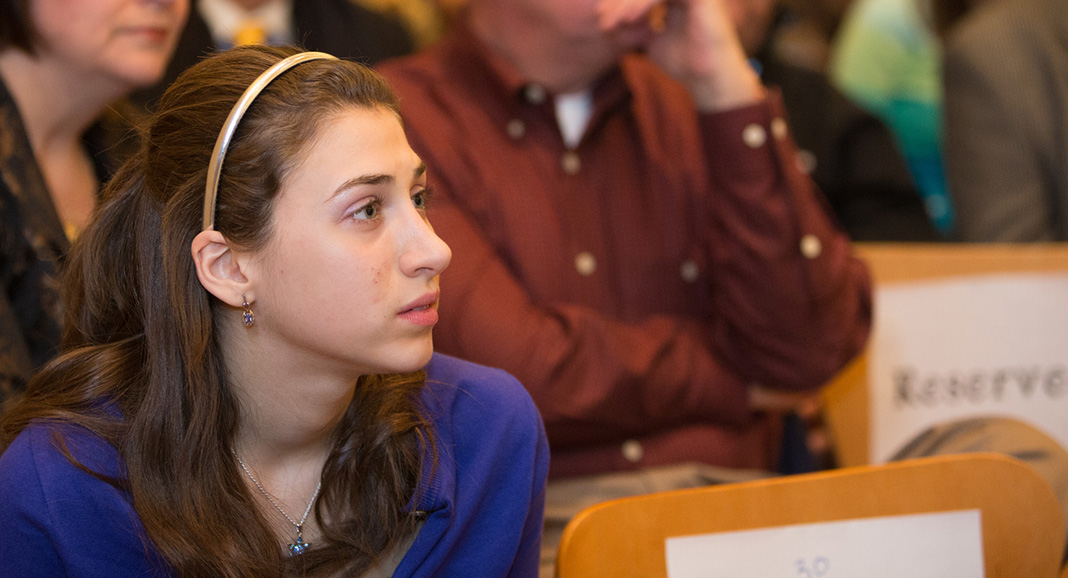
Both graduate and undergraduate students engage in a wide range of original research projects in Sephardic Studies through coursework, independent studies, senior theses, master’s theses, and Ph.D. dissertations. Read More >
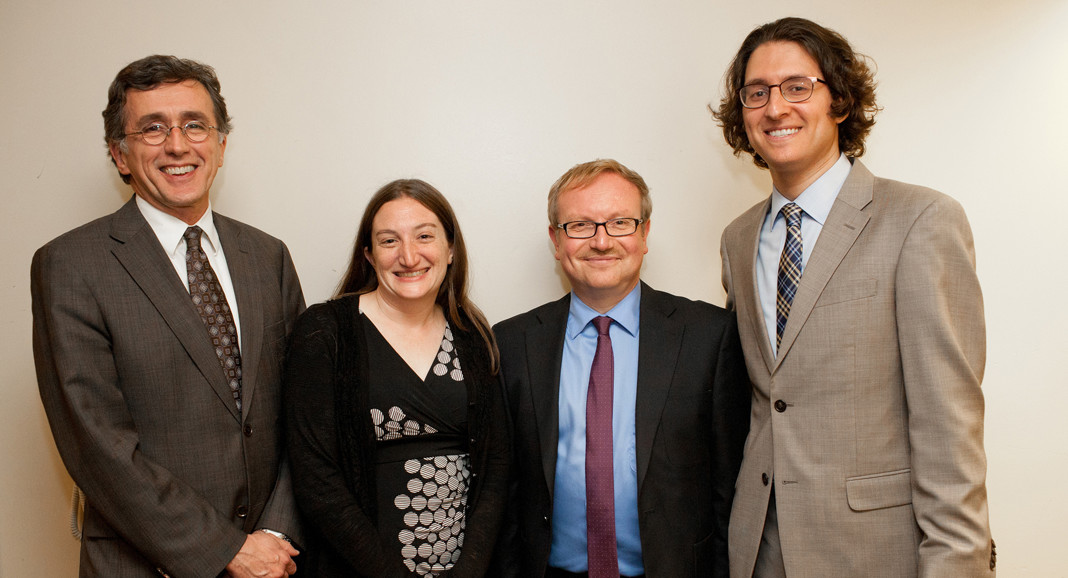
The Sephardic Studies Program hosts a variety of events exploring Sephardic culture and history and the Ladino language. View past events >
Devin E. Naar, Sephardic Studies Program Chair & Isaac Alhadeff Professor of Sephardic Studies
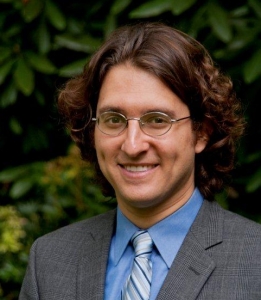 Devin E. Naar is the Isaac Alhadeff Professor in Sephardic Studies, Associate Professor of History, and faculty at the Stroum Center for Jewish Studies in the Jackson School of International Studies at the University of Washington. Born and raised in New Jersey, Professor Naar graduated summa cum laude from Washington University in St. Louis and received his Ph.D. in History at Stanford University. His first book, Jewish Salonica: Between the Ottoman Empire and Modern Greece (2016, Stanford University Press) explores the impact of the collapse of the Ottoman Empire and the rise of modern Greece during the nineteenth and twentieth centuries on the Jews of Salonica (Thessaloniki). It was awarded the 2016 National Jewish Book Award in the category of Writing Based on Archival Material; the 2017 Edmund Keeley Book Prize, sponsored by the Modern Greek Studies Association; and was a finalist for the 2016 National Jewish Book Awards in the category of Sephardic Culture.
Read more about Professor Naar at his Jewish Studies faculty page.
Our program is deeply grateful for the support of the generous donors who have made the Sephardic Studies Program possible:
Sephardic Studies Sustainers’ Circle
Joel & Maureen Benoliel
Harry Caraco
in honor of the Caraco and Tarica families
Harvey Sadis & Harriett Cody
in honor of Jean & Joseph Sadis
with generous donations from other supporters including:
David & Victoria Benoliel, Sharon & Marty Lott
and the Isaac Alhadeff Foundation
Sephardic Studies Founders’ Circle
| Eli & Rebecca Almo | Joel & Maureen Benoliel | Harley & Lela Franco |
| Richard & Barrie Galanti | Sharon & Marty Lott | Isaac Alhadeff Foundation |