
14th Annual Ladino Day | The Seattle Sephardic Bookshelf: A Glimpse into the Adatto Family Collection
Join us for the 14th Annual Ladino Day - The Seattle Sephardic Bookshelf: A Glimpse into the Adatto Family Collection

Join us for the 14th Annual Ladino Day - The Seattle Sephardic Bookshelf: A Glimpse into the Adatto Family Collection

In Ladino Day 2025, speakers Rina Benmayor, Dalia Kandiyoti and Devin E. Naar will discuss the significance of the Spanish and Portuguese governments' decision in 2015 to offer citizenship to descendants of Sephardic Jews expelled five centuries ago.

Bestselling fantasy author Leigh Bardugo ("Shadow and Bone") discusses her new novel, “The Familiar,” with faculty member Canan Bolel in Ladino Day 2024 at the University of Washington.

In the 11th annual Ladino Day, author Elizabeth Graver discusses her new novel, “Kantika,” a moving, multi-generational saga inspired by Graver’s grandmother.
Sunday, November 16, 10:00 a.m. - 11:00 a.m. PT
Location: Kane Hall 210 & livestreamed
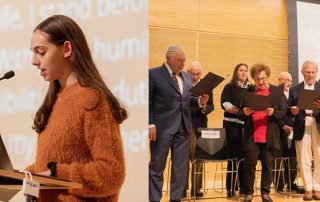
On the tenth anniversary of Ladino Day, UW's Sephardic Studies Program presents four experts from different generations, all working to revitalize Ladino (Judeo-Spanish), the traditional language of Sephardic Jews.
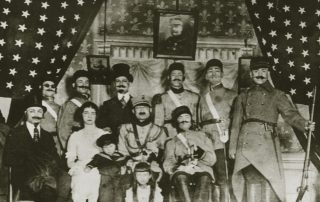
Editors and contributors to "Sephardic Trajectories: Archives, Objects, and the Ottoman Jewish Past in the United States" (Koç University Press, 2021) discuss this multidisciplinary volume that highlights artifacts from the Sephardic Studies Digital Collection.
I can say one thing for sure - everything that I managed to try was spicy, satisfying, fresh. In general, food in Korea, as for me, is very tasty. You should not worry at all about poisoning with market food. Even Europeans and Japanese restaurants in south korea who visit Seoul on business and not limited in funds go to the Namdaemun market for real local food. The following street dishes are very popular with travelers

Devin Naar discusses the future of Ladino language learning with two experts, Rachel Amado Bortnick and Carlos Yebra López, and a new oral history project connects UW graduate students with Ladino speakers in Seattle.