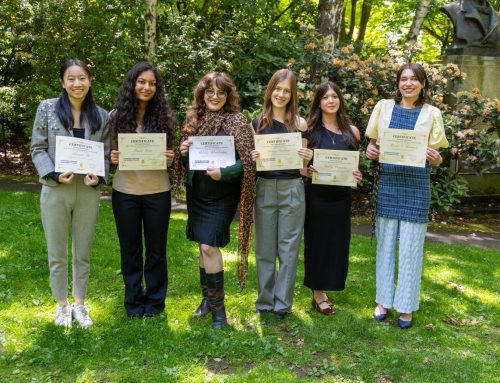
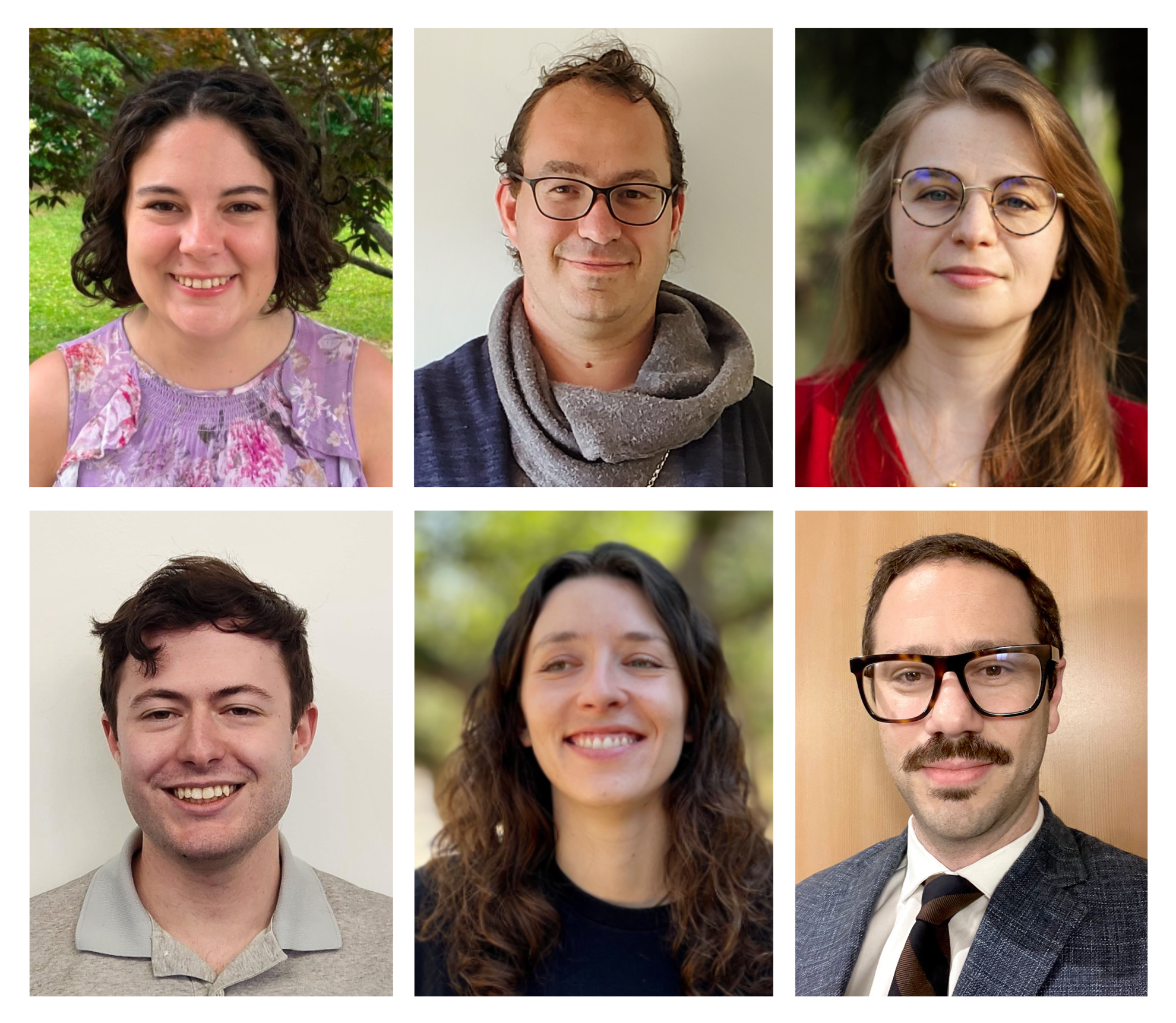
The Stroum Center for Jewish Studies is excited to introduce the 2026-2027 cohort of graduate fellows in Jewish Studies. Fellows receive mentorship from Stroum Center faculty, attend biweekly workshops on public scholarship and Jewish Studies, and share their research with the community through public presentations and articles published on the Stroum Center website.
Funding for the annual fellowship program is generously provided by community supporters. Applications for the 2027-2028 cohort will open in spring 2027. Read on to learn more about this year’s cohort of graduate fellows in Jewish Studies.
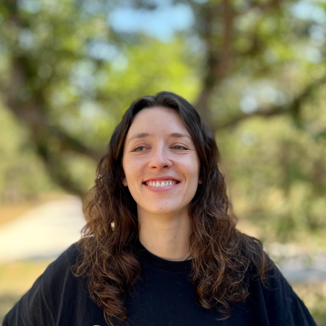
Sophia Aepfelbacher, Max Sarason Fellow
Sophia Aepfelbacher is a PhD student in the Department of Political Science at the University of Washington, where she specializes in political theory and serves as graduate coordinator for the Political Theory Colloquium. She earned an MS in political science from Portland State University and bachelor’s degrees in economics and international political economy from Fordham University. Her research explores democratic worldbuilding and political belonging through feminist, queer, and Jewish political theory, with particular attention to the work of Hannah Arendt. Her current project examines contemporary debates within anti-Zionist Jewish politics through these theoretical frameworks. Outside of her academic work, Sophia enjoys doting on her miniature dachshund, following the WNBA, and perfecting her frittata recipe.
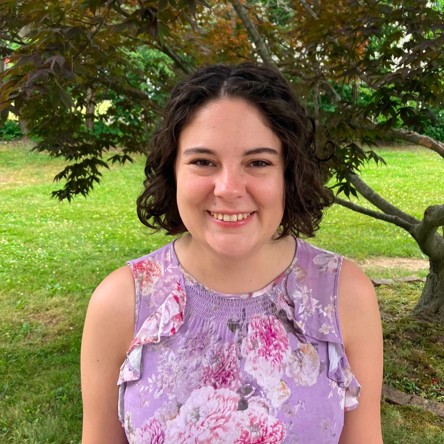
Hannah Beilinson, Mickey and Leo Sreebny Memorial Fellow
Hannah Beilinson is a second-year Master of Library and Information Science student at the University of Washington Information School. She earned a BS in Computer Science with a minor in Statistics from Haverford College in 2020. Her interests span Jewish and public librarianship, digital archives, and metadata design. Her current work focuses on developing a comprehensive digital library of Sephardic materials held in archives across the University of Washington and beyond. Through web development, metadata schema design, and network analysis, she is bringing together materials from disparate archival systems into a single online portal. She also hopes to build a global community of practice among Sephardic archives and librarians.
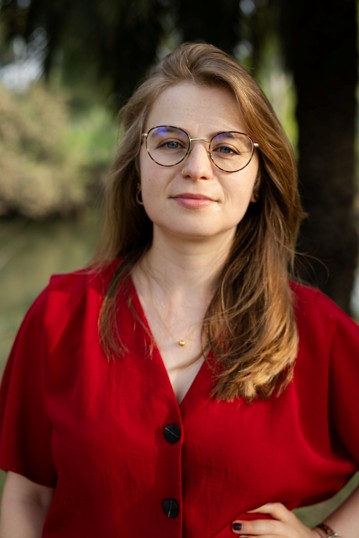
Margarita Lerman, Ina and Richard Willner Memorial Fellow
Margarita Lerman is a PhD candidate and Rotenstreich Fellow at the Jack, Joseph and Morton Mandel School for Advanced Study in the Humanities at the Hebrew University of Jerusalem and an affiliated researcher at the Leibniz Institute for Jewish History and Culture – Simon Dubnow in Leipzig. She is currently a visiting graduate student at the University of Washington. Margarita earned a BA from the University of Leipzig and MA degrees from the universities of Leipzig, Concepción (Chile), and Havana (Cuba). Her dissertation explores Jewish networks operating beyond the confines of the law from the perspective of social and everyday history, with particular attention to trans-imperial practices, knowledge transfer, and familial and commercial relationships. Her research follows historical actors from the Habsburg-Russian borderlands to Vienna, L’viv, Constantinople, Berlin, London, New York, and Buenos Aires. In her free time, she enjoys pottery, baking, and exploring Seattle by bicycle.
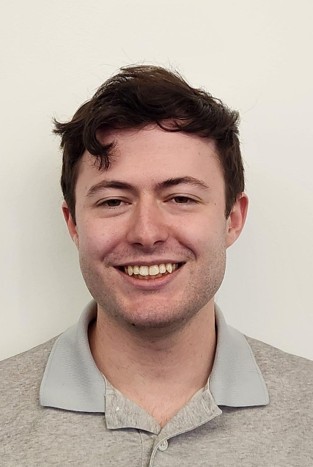
Guy Rahat, Robinovitch Family Fellow
Guy Rahat is a PhD candidate and introductory Latin instructor in the Department of Classics at the University of Washington. He earned a BA in Classics and Mathematics from the College of William & Mary and an MA in Classics from the University of Illinois Urbana-Champaign before beginning doctoral study at the University of Washington. His research focuses on Greek and Roman history and ancient philosophy, particularly philosophers whose intellectual lives intersected with public and political life. Growing up between Israel and the United States inspired his interest in questions of identity and belonging, leading him to study the first-century Jewish historian Flavius Josephus. His work examines Josephus’s efforts to reconcile Jewish and Roman identities while defending both the Jewish people and his own controversial role in the First Jewish Revolt.
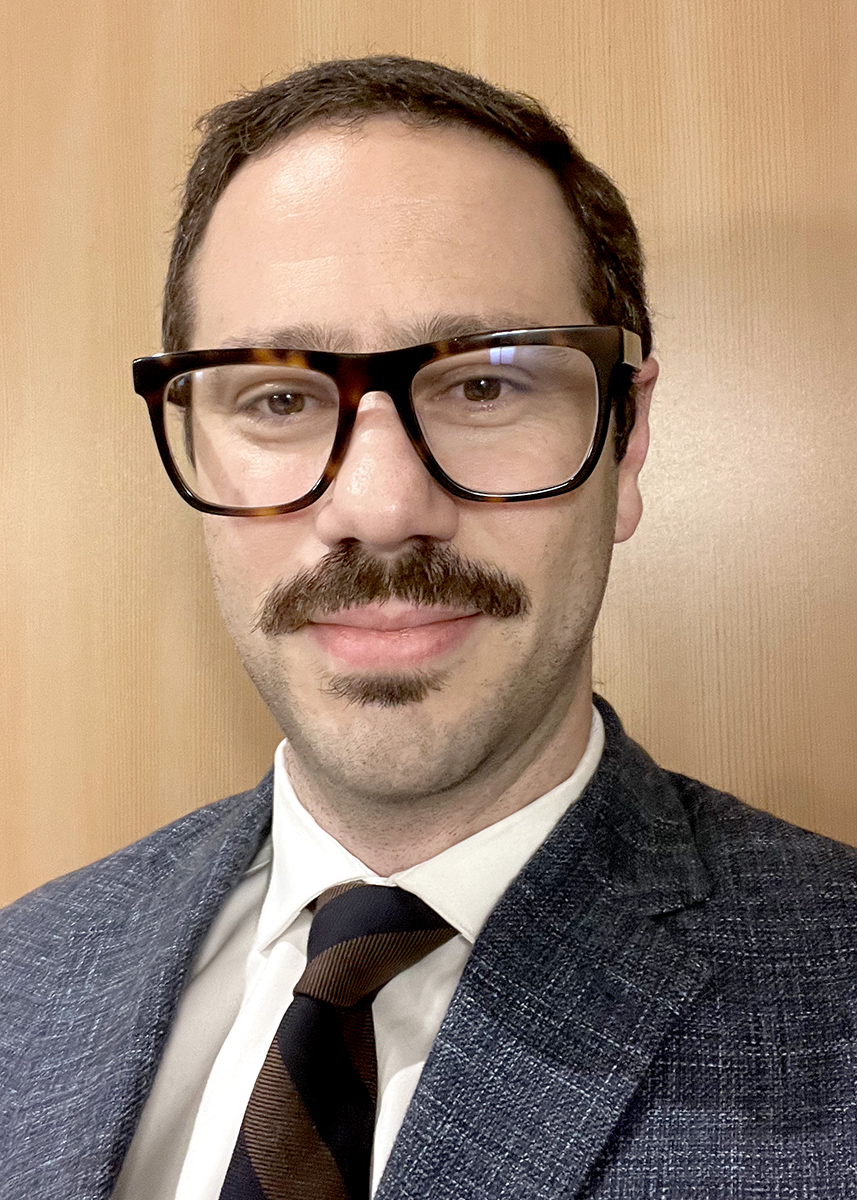
Martin H. Schwartz, Ina and Richard Willner Memorial Fellow
Martin H. Schwartz is a PhD candidate in German Studies at the University of Washington and a Dissertation Fellow with the Stroum Center for Jewish Studies. He earned a BA from the University of California, San Diego, and an MA from the University of Chicago. Martin has served as program curator for the Goethe-Institut Seattle Pop Up, film programmer for the Seattle International Film Festival, and religion school teacher at Temple De Hirsch Sinai. He is also a recipient of the Dissertation Research Grant from the American Academy of Jewish Research and an alumnus of the Anti-Defamation League’s Glass Leadership Institute. His research examines continuity and change in cultural antisemitism in postwar West Germany, drawing on antisemitism theory, intellectual history, media studies, and archival research. His work considers how post-Holocaust German cultural production abstracted Judaism into representations of money and examines the extent to which these forms of antisemitism continue earlier traditions of Judeophobia. Outside of academia, Martin enjoys long walks through cities, the performing arts, and playing board games with his daughter, Helen.
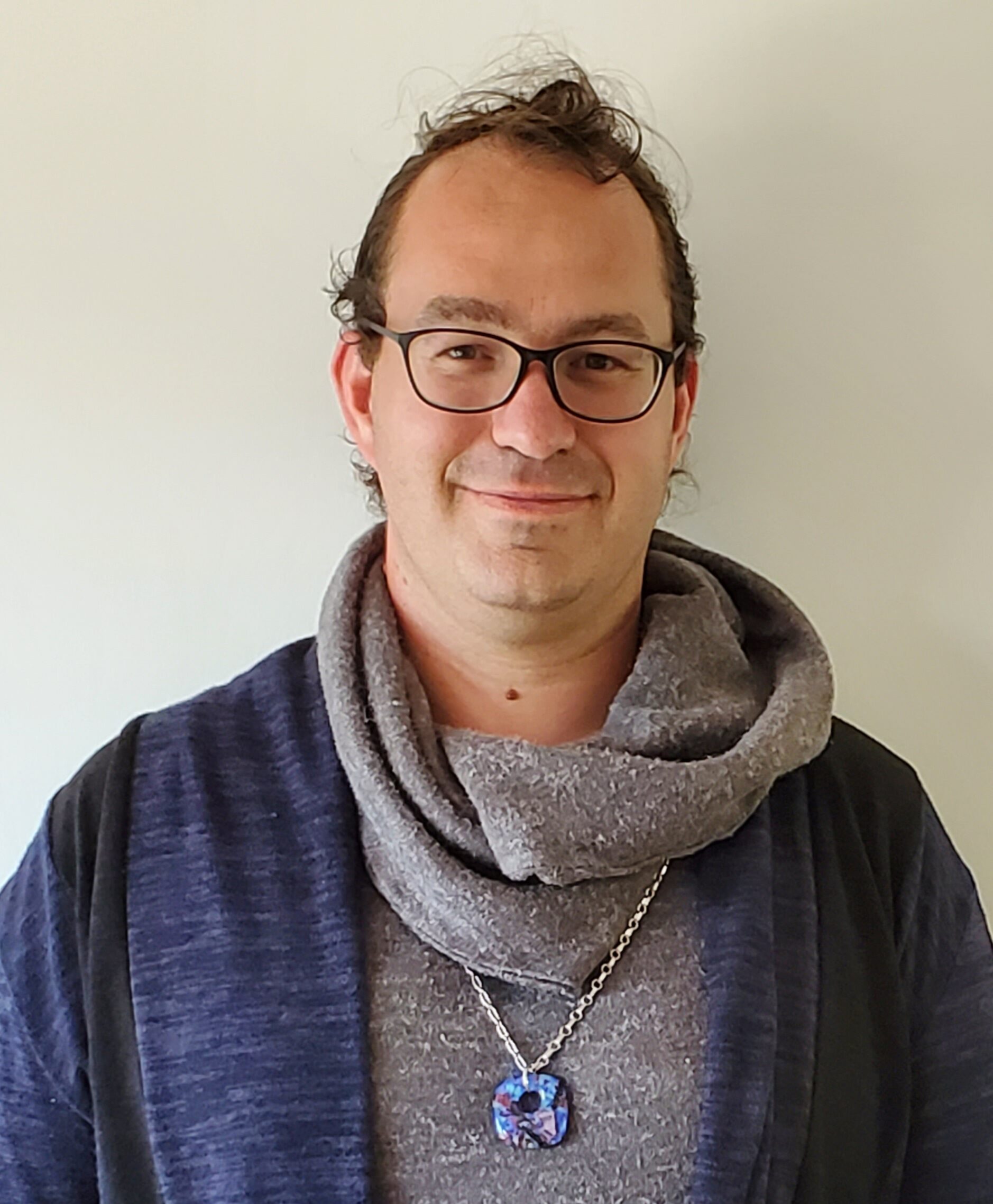
Micah Sprouffske, Robinovitch Family Fellow
Micah Sprouffske is a second-year PhD student in Asian Languages and Literatures at the University of Washington, where he specializes in Chinese linguistics. He earned bachelor’s degrees in Anthropology, Chinese, and Linguistics from the University of Oregon in 2011. His research examines the evolution of Chinese orthography and the use of Chinese characters to represent the phonology of borrowed words. His current work focuses on how Jewish communities in Tang and Song dynasty China adapted Chinese characters to represent Hebrew names, religious terminology, and Jewish concepts, often drawing on existing Daoist vocabulary and traditions. Before coming to UW, Micah conducted language education research with the University of Haifa in schools across Haifa between 2022 and 2023. Outside of research, he enjoys exploring the Pacific Northwest, participating in community language preservation initiatives, and working in education to support underserved youth.