
Learning Ladino to preserve Sephardic culture for future generations
Anna Jacoby as a baby with her great-grandmother, Beya "Betty" Policar Alhadeff (1912-2004). Betty and her family, including her parents Jacob and Esther Policar,
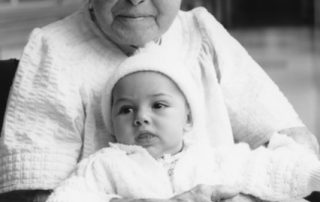
Anna Jacoby as a baby with her great-grandmother, Beya "Betty" Policar Alhadeff (1912-2004). Betty and her family, including her parents Jacob and Esther Policar,
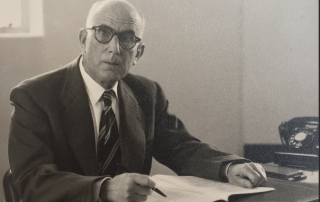
Hannah S. Pressman describes her journey learning soletreo, and how it can help scholars and family historians alike access their Sephardic pasts.
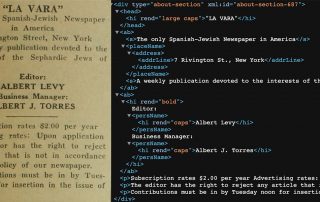
With the tools learned in a textual studies course, Lauren Zarlingo encoded two English sections from La Vara, New York's longest running Ladino newspaper.
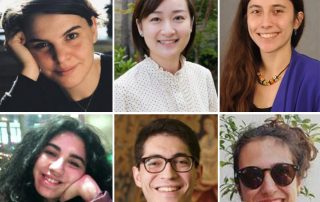
A roundup of speaking engagement and recent awards earned by graduate students whose research lies at the intersection of Ottoman, European, Jewish, Mizrahi, and Sephardic studies.
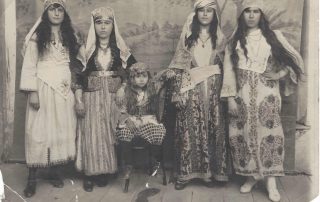
Archival photos capture Purim costumes worn by Sephardic Jews in the Ottoman Empire and its offshoots.
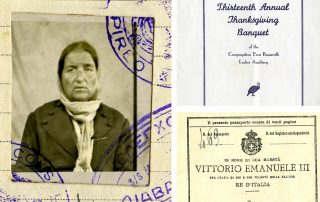
Graduate fellow Lili Brown explains how community archives — community-centered archives that preserve all kinds of documents and materials — help researchers to construct richer pictures of the past, and how this approach is helping to preserve Seattle Sephardic history.
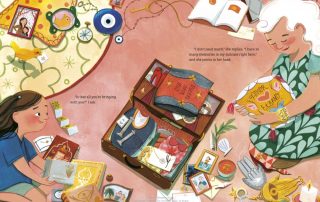
In her foray into children's literature, award-winning author and anthropologist Ruth Behar creates a poignant tribute to Sephardic families past and present.

To inaugurate the Azose Fund for Community Engagement, students, scholars, and community members reflect on Hazzan Isaac Azose's contributions to the preservation of Sephardic culture and the Ladino language in Seattle and beyond.