
How anti-Semitism was used to gain political power in medieval Germany
Anti-Semitism and anti-Jewish expulsions in medieval Germany were engineered for political gain, writes Grad Fellow Kerice Doten-Snitker, much like anti-Semitism today.
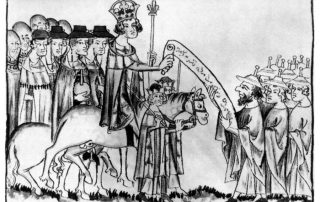
Anti-Semitism and anti-Jewish expulsions in medieval Germany were engineered for political gain, writes Grad Fellow Kerice Doten-Snitker, much like anti-Semitism today.
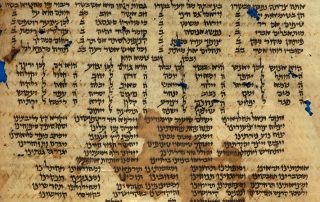
Ancient synagogue poetry describing the magic "sotah" ritual for women evoked common fears around demonic forces and women's sexuality, writes Dr. Laura S. Lieber.
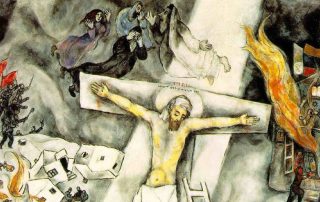
Christian myths about Judaism both feed anti-Semitism and misrepresent the reality of a religion based on the love of God and the other.

Works of literature speak to the forces behind anti-Semitic violence.

Americans should remember their history as immigrants and refugees, says Prof. Kathie Friedman-Kasaba, and how xenophobic restrictions have targeted many groups in the past.
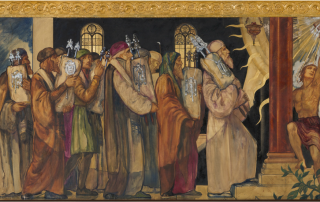
Graduate Fellow Vivian Mills shows how all-too-familiar patterns of discrimination and exclusion affected Sephardic Jews in the Middle Ages.

Professor Jonathan Israel explores Spinoza's role as a revolutionary thinker and precursor to the modern human rights movement in the 2017 Stroum Lectures in Jewish Studies.

This international conference, in combination with the 2017 Stroum Lectures, explored the myriad ways in which Spinoza has contributed to the development of modern Jewish philosophy.