
Exploring the Unexpected in Ancient Jewish Culture with Rafael Neis
Rafael Neis By Madison Morgan For more than 50 years, the Stroum Center for Jewish Studies has welcomed leading voices in the field

Rafael Neis By Madison Morgan For more than 50 years, the Stroum Center for Jewish Studies has welcomed leading voices in the field
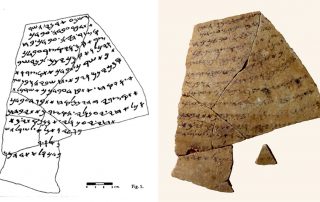
Pieces of broken pottery ("ostraca") were commonly used to write letters, receipts, and notes in the ancient world, and these fragments show how biblical writings connect to real-world concerns of the time, writes graduate fellow Corinna Nichols.
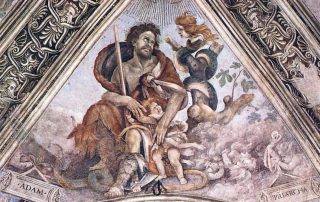
A string of recent horror movies connect ancient Jewish lore with universal fears about life, death, and birth, writes graduate fellow Elizabeth Férauge.
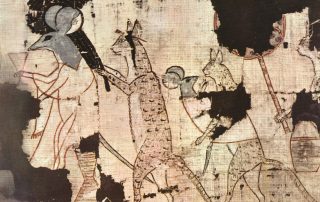
Looking at ancient texts' "topsy-turvy" visions of the world can reveal a lot about the authors' assumptions, writes grad fellow Forrest Martin.
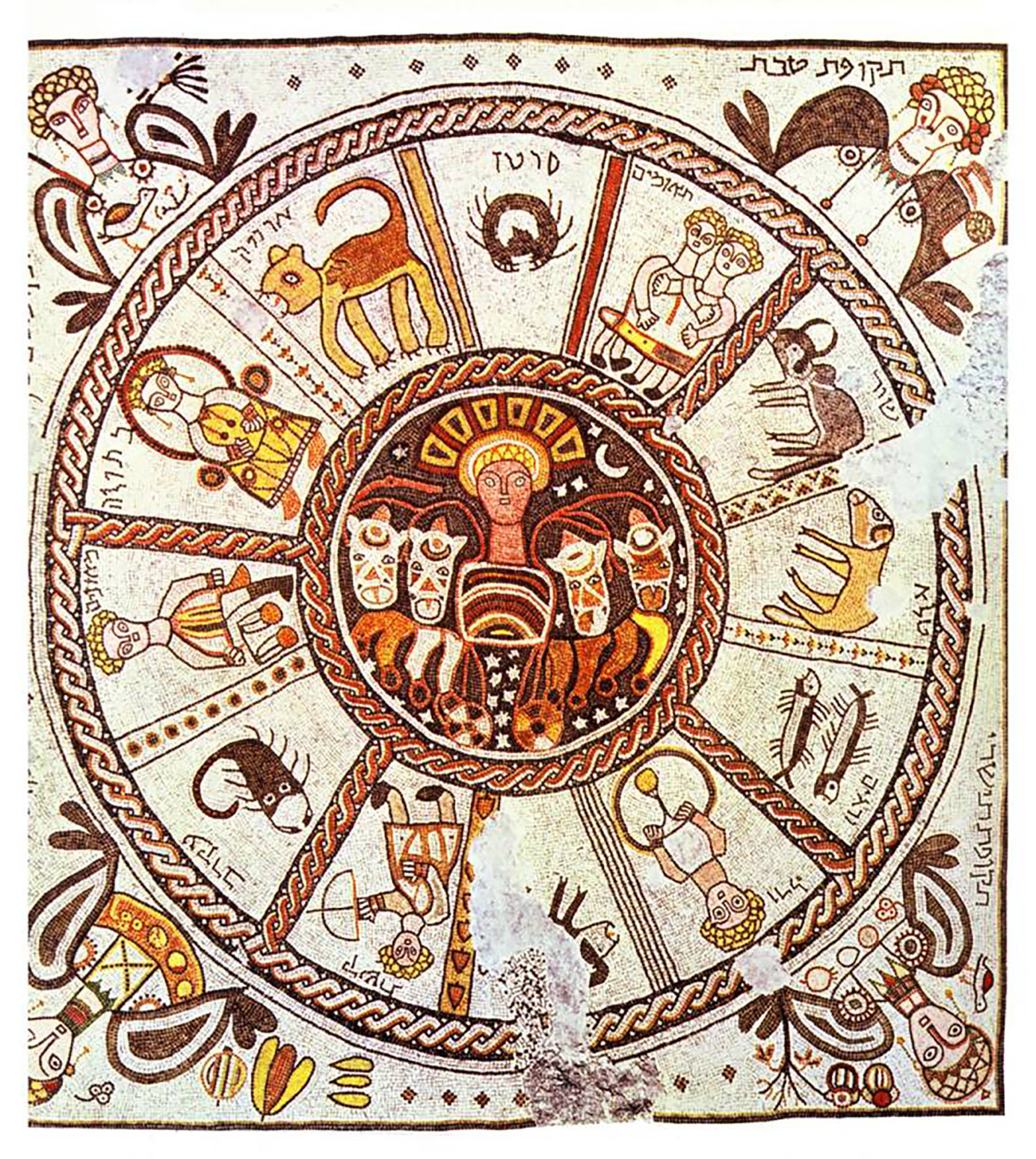
Countering misperceptions, grad fellow Abby Massarano explains that Jews in the 6th century CE embraced visual art, and shows what we can learn about these communities from their depictions of the key story of Abraham's Binding of Isaac.
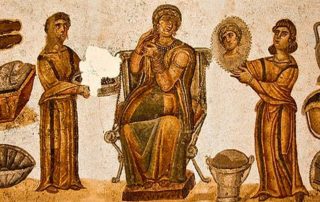
Bernadette Brooten (Brandeis University) will give a virtual talk on the ways early Christian authors sought theologically to form gender and other relationships.
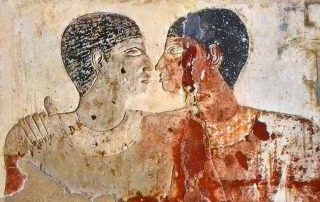
How has the story of Sodom and Gomorrah as related in the Qur'an and Hebrew Bible shaped the ways Jews, Muslims and Christians thought and continue to think about same sex relationships. Explore this question with Cole Fellow Dr. Brendan Goldman.
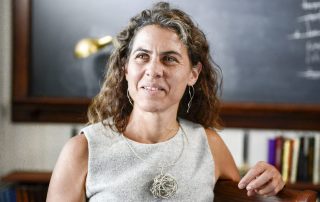
Dr. Marina Rustow of Princeton University will deliver the 2019 Stroum Lectures in Jewish Studies.